
The winter months often bring an increased risk of moisture problems in the home. Cold temperatures, less ventilation, and heating habits can lead to moisture buildup, resulting in mold, musty odors, and damage to your home. Fortunately, you can prevent moisture problems with some simple measures. In this article, we provide practical tips to keep your home healthy and prevent moisture from causing problems.
Why do moisture problems occur in winter?
During winter, we tend to close windows more often, turn on the heating, and the humidity outside is higher due to rain and snow. This can lead to:
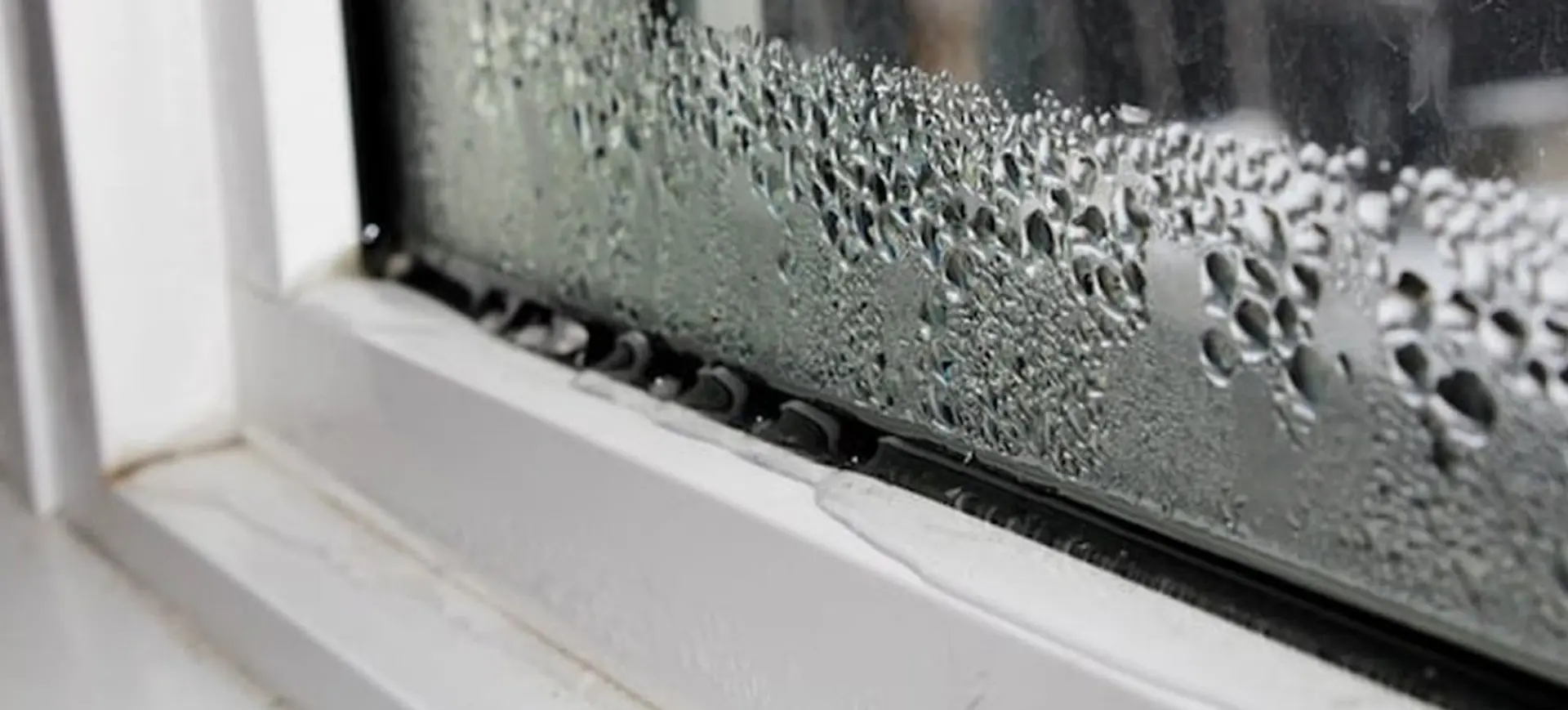
- Condensation: Mainly visible on windows and cold walls.
- Moisture in walls: Especially in older or poorly insulated homes.
- Mold growth: If moisture remains in bathrooms, kitchens, or other moisture-sensitive areas for a long time.
Excessive humidity can not only damage your home but also be harmful to your health. Therefore, it is important to intervene in time.
How do I prevent moisture problems in the home during winter?
1. Ventilate regularly
Ventilation is crucial to prevent moisture problems, especially in winter when windows are often kept closed. Fresh air helps to remove humid air and prevent condensation on walls and windows. Keep ventilation grilles open and open windows slightly every day, even if it's cold outside. If you have mechanical ventilation in your home, always ensure it is properly maintained and that the system continues to operate. This way, indoor humidity remains healthy, and you prevent moisture buildup in the home.
2. Limit indoor moisture production
Activities such as cooking, showering, and washing add extra moisture to the air. Use an extractor hood while cooking and open windows in the kitchen and bathroom to quickly remove moisture. Do not leave the bathroom door open after showering to prevent moisture from spreading throughout the house. Dry your laundry, if possible, outdoors or in a well-ventilated area. By making small adjustments to your daily habits, you can significantly contribute to a drier and healthier indoor climate.
3. Avoid too low indoor temperatures
Cold surfaces attract moisture, promoting condensation. Ensure that your home maintains a constant indoor temperature, even in rooms you use less frequently. Heating to at least 15-16°C helps reduce moisture and prevent mold growth. Make sure not to lower the thermostat too much in the evening; this could cause the walls to cool down at night and attract moisture, increasing the risk of mold. For example, try to keep the heating at a minimal but constant temperature after 11:00 PM.
4. Check walls and windows for moisture spots
Porous or poorly insulated walls and single-glazed windows can attract moisture and cause problems, especially during the winter months. Consider having your exterior walls impregnated with a water-repellent layer to prevent rain from entering. Additionally, invest in well-insulating glass, such as HR++ glass, to minimize condensation. Small cracks or damages? Have them repaired promptly to prevent further issues.
5. Reduce condensation on windows and glass
Condensation on windows is a common issue in winter. This often occurs due to high humidity combined with cold glass surfaces. Dry windows daily with a squeegee to avoid moisture buildup. Use moisture absorbers in rooms where condensation frequently occurs and ensure adequate ventilation, especially in rooms with large glass surfaces like conservatories or sliding doors.
6. Maintain a healthy humidity level
The ideal humidity level in the home is between 40% and 60%. Too dry air can lead to health issues such as dry eyes, while too humid air promotes mold growth. Use a hygrometer to measure humidity. If the air is too humid, consider using a dehumidifier or additional ventilation. For dry air, a humidifier or placing water trays near the heating can help.
Why is addressing moisture problems important?
Moisture problems that are not resolved in a timely manner can lead to structural damage to your home, such as crumbling walls or mold growth. Additionally, they have a negative impact on your health, resulting in conditions like allergies and respiratory problems.
Ifac Service: your partner in worry-free real estate management
At Ifac Service, we go beyond just buying and selling: we help you keep your home in top condition so that your real estate retains its value. Whether you want to prevent moisture problems, sell your home, or find a new one, our experienced team is ready to provide tailored advice.
Do you have questions about your home or need professional advice? Contact us today! Together, we ensure that your home remains healthy, comfortable, and valuable.
(Sources: Livios, Renson, Bisbeurs.)