
As winter approaches, the garden switches to a rest mode. However, this is not a period to let everything go. On the contrary: those who take the right preparations now protect their garden from frost, moisture, and damage and at the same time lay the foundation for a smooth start in spring. With these ten practical tips, you can prepare your garden and plants step by step for the winter months.
1. Clear leaves and plant residues in time
It is best to remove fallen leaves and dead plant residues from lawn, borders, and paths. This prevents mold formation, suffocation of the grass, and unwanted pests. Healthy green waste can go perfectly to the compost heap, where it is converted into valuable nutrients during the winter.
2. Clean and prepare your garden tools for winter
Before storing the garden tools, it is worth cleaning them thoroughly. Remove soil and sap residues, lightly oil metal parts, and treat wooden handles with linseed oil. This extends the lifespan and ensures that everything is ready for use in the spring.
3. Protect roots with an insulating mulch layer
Perennials, young plantings, and bushes benefit from extra protection around the roots. A mulch layer of leaves, bark, or wood chips helps to maintain stable soil temperature and protects against severe frost. Just make sure that the mulch does not lie against the plant's stem to avoid rot.
4. Bring frost-sensitive container plants indoors in time
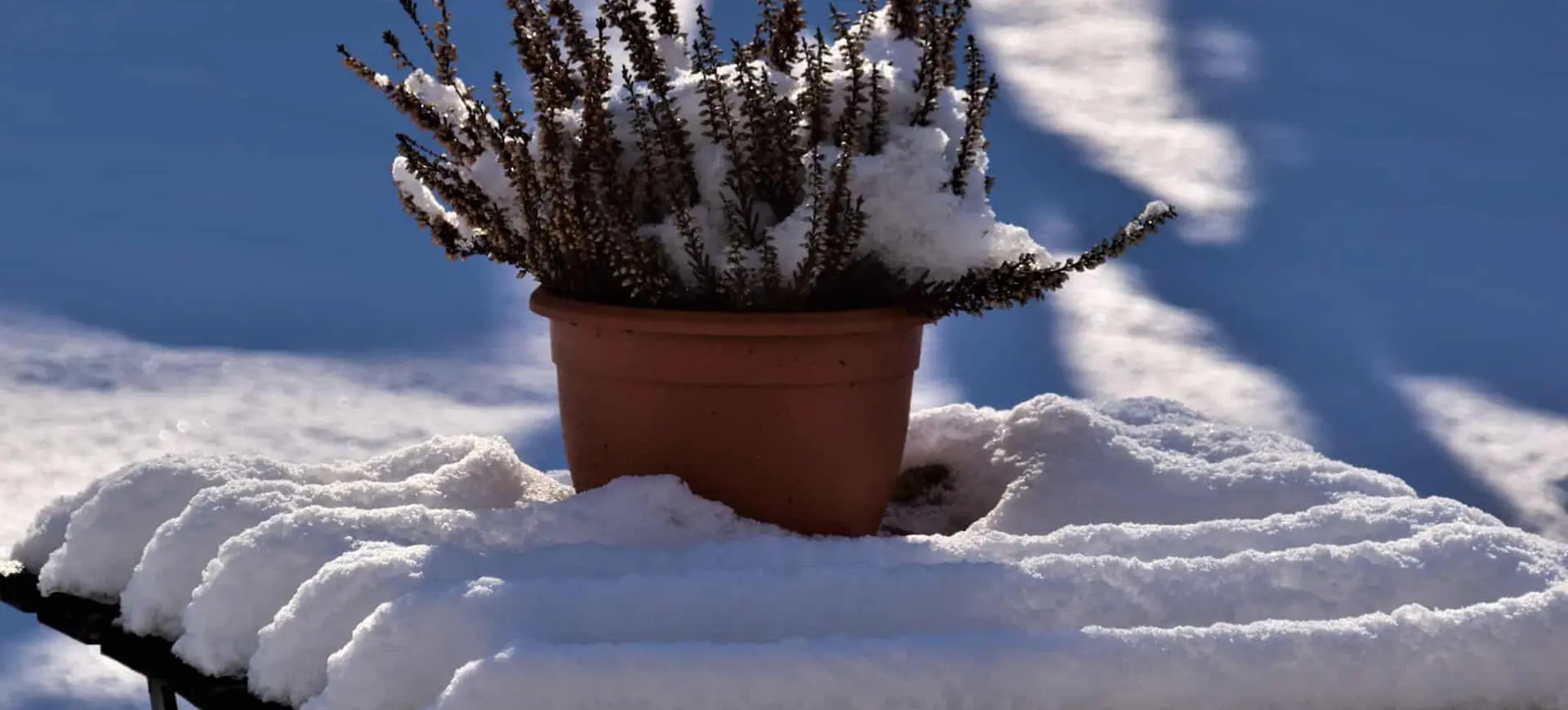
Plants in pots are extra vulnerable in the winter. Species that are not frost-resistant are best placed in a frost-free, light place such as a garage, basement, or garden shed. If you do not have that option, a protective cover or fleece provides extra protection against cold and drying wind.
5. Give less water and more light to indoor plants
Indoor plants also slow down in winter. They need less water and cannot tolerate wet roots. Therefore, always check first if the potting soil is still moist. Light remains important, so place plants close to windows, but avoid drafts and direct heat from radiators.
6. Consider dry indoor air
Heating makes the air in the house drier, which can be problematic for some plants. Spraying occasionally or placing a bowl of water nearby helps to maintain humidity and prevent drying out of leaves.
7. Prune with care and at the right time
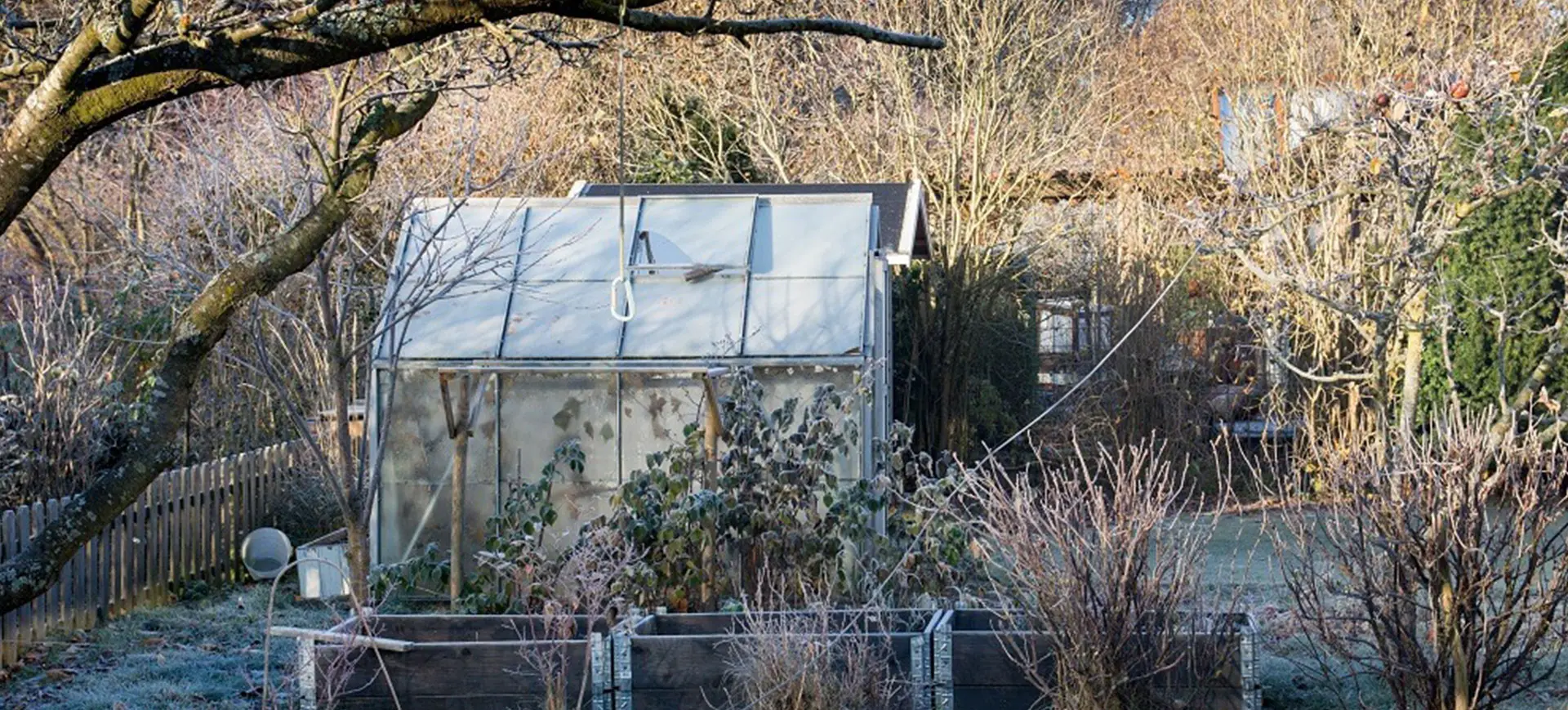
Winter is suitable for removing dead, diseased, or damaged branches. Be careful with plants that bloom in spring, as it is better to prune them after flowering. This way, you maintain their natural shape and flowering power.
8. Plant trees, shrubs, and flower bulbs as long as it does not freeze
As long as the ground is not frozen, you can plant trees and shrubs perfectly. This gives them time to root calmly. Spring bulbs can also be planted and provide color and life in the garden a few months later.
9. Give your lawn rest and protection
Remove leaves from the grass so that light and air continue to reach the lawn. Avoid trampling on wet or frozen weather to prevent damage. A winter lawn requires little action, but carefulness.
10. Do not forget water pipes, garden structures, and animals
Empty garden hoses and outdoor faucets and store them frost-free to avoid damage. Clean and check garden furniture, plant supports, and other structures so that mold and diseases do not have a chance to overwinter. In addition, provide a drinking place with fresh water for birds and leave some natural shelter in a few places for beneficial animals.